The space economy is bigger than you think. It already powers parts of your everyday life, from GPS navigation and weather forecasts to global internet coverage.
As launching satellites becomes cheaper, a new generation of companies is turning space into a commercial platform. For investors, that shift is opening a new opportunity.
Let’s X-Plain:
- What is Space Tech?
- What’s driving the commercial space economy?
- How have launch economics changed?
- Why do satellites matter so much?
- How big could the opportunity become?
- How can investors access the theme?
- How should MOON be used in a portfolio?
What is Space Tech?
Space tech companies either get things into space (rockets) or make money from what’s already up there (satellites and data).
The Global X Space Tech ETF (ASX: MOON) gives investors exposure to companies across this ecosystem, including:
- Rocket launch and reusable systems
- Satellite infrastructure and components
- Communication, data, and geospatial services
- Space exploration and emerging applications
Importantly, companies must generate at least 50% of their revenue from space-related activities, meaning space is core to their business, not just a side project.
What’s driving the commercial space economy?
Space is entering its commercial phase, similar to how the internet evolved in the 1990s.
For decades, space activity was dominated by governments. That changed in the 2010s as private companies entered the market and proved viable business models.
Today, around 70% of orbital launches are commercial, up from 25% a decade ago. Private companies are building both the infrastructure (rockets) and services (satellites and data).1
Two key forces are driving this shift: Lower-cost access to space (through reusable rockets) and growing demand for data and connectivity.
By 2034, the global space economy could exceed US$1 trillion in annual revenue, up from around US$626 billion in 2025.2
How have launch economics changed?
One of the biggest changes in the industry is how much cheaper it has become to get into space.
Reusable rockets allow companies to recover and relaunch key components rather than rebuild them every time. This has transformed space launches from one-off projects into something closer to repeatable logistics.
As a result, launch frequency has increased from about 85 in 2016 to 325 in 2025.3
This means satellites can be deployed faster, systems can be upgraded more regularly and business models become more predictable
Why do satellites matter so much?
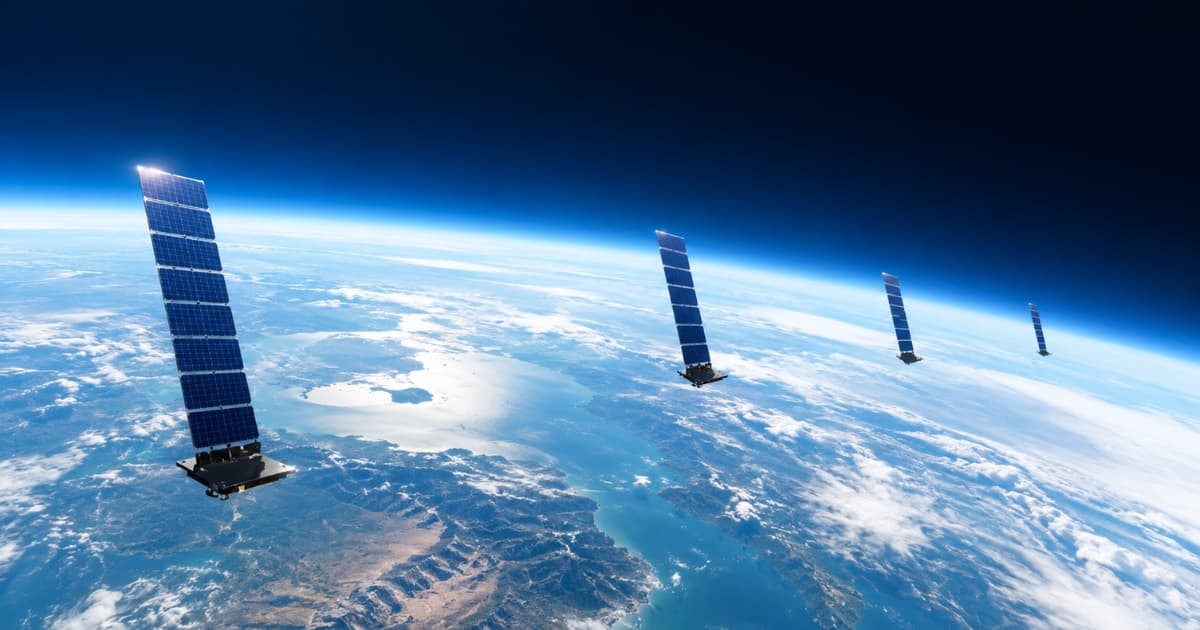
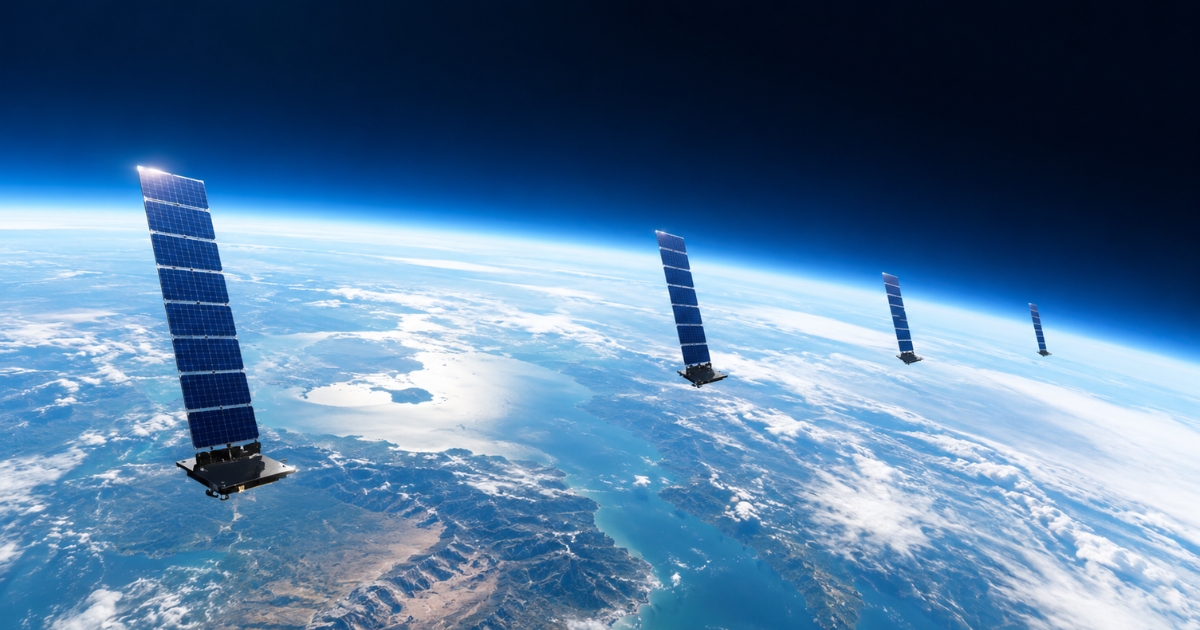
More than half of today’s space economy is tied to satellites. The industry is shifting from single satellites to large networks (often called constellations) in Low Earth Orbit, the region of space closest to Earth.
These satellite networks support everyday services such as:
- Broadband internet (e.g. satellite internet services)
- GPS navigation in your phone
- Weather forecasting
- Logistics and supply chain tracking
- Secure communications for governments and defence
As these networks grow, business models are shifting from one-off sales to recurring revenue services.
For example, satellite broadband alone could grow from about US$22 billion in 2025 to US$100 billion by 2035.4
How big could the opportunity become?
By 2034, the global space market could surpass US$1 trillion in annual revenues. Key growth areas including launch services, connectivity, and data are expected to grow faster than the overall market.5
Government demand also plays a major role. Global government space spending reached US$137 billion in 2025, while defence-related spending accounted for US$73 billion.6
As space becomes more important for national security, this spending is expected to remain strong.
How can investors access the theme?
The Global X Space Tech ETF (ASX: MOON) offers:
- Exposure to companies across the space value chain
- A mix of established players and emerging innovators
- A way to invest in the broader ecosystem, rather than picking individual stocks
Space is shifting from exploration to commercialisation.
As costs fall and infrastructure scales, it has the potential to become a foundational layer of the global economy, much like the internet did over the past few decades.
For investors, that shift is creating a new and rapidly evolving opportunity.
How should MOON be used in a portfolio?
Space Tech is best viewed as a satellite allocation within a broader portfolio. Investors may choose to build their core exposure through diversified global equity strategies, while allocating a smaller portion to thematic opportunities such as space.