The AI infrastructure trade has been one of the most visible stories in markets this year, and the build out of data centres to support it is well understood.
But alongside that consensus, a few concerns have started to surface, with recent headlines pointing to delays in US AI data centre projects planned for 2026 and some commentary going further, suggesting the whole AI infrastructure story is breaking because the electricity equipment needed to power new sites isn't arriving fast enough.
The delays are real. But the conclusion many people jump to is not.
The key point: projects are being delayed, not abandoned. Only a very small number have been cancelled outright. Most are being pushed into later years, such as 2027 and 2028, because the physical equipment needed to power them isn’t available fast enough.
Why this matters to long-term ETF investors
For long-term investors, delays are not the same as destruction of value.
Think of it like a housing shortage caused by a lack of building materials. Homes don’t stop being needed. They just take longer to build. And the companies that make the materials often end up with longer order books, stronger pricing power, and more predictable future earnings.
That distinction matters for AINF.
AINF is not primarily invested in the data centre operators struggling to get projects approved or connected to the grid. Instead, it owns many of the companies that supply the hard-to-get equipment that is causing the delay in the first place.
What the data actually shows
- Around 16 gigawatts of US data centre capacity were scheduled to come online by the end of 2026.
- Only about 5 gigawatts are currently under active construction.
- Around 30-40% of projects are being deferred, which sounds alarming, until you look deeper.
- Of 777 large data centre projects announced globally since early 2024, only nine have been cancelled.
- Cancellations have stayed at roughly 2% of the total pipeline, which is normal by historical standards.
- Most delayed capacity is expected to be built later, not scrapped.
In other words, the demand hasn’t disappeared. It’s waiting in line.
What this means for AINF’s portfolio
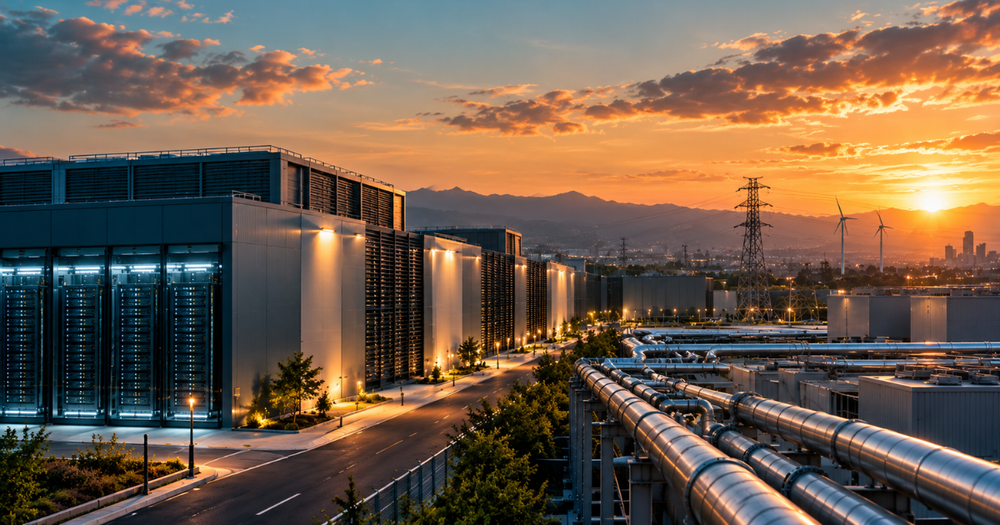
The main bottleneck is power delivery, especially:
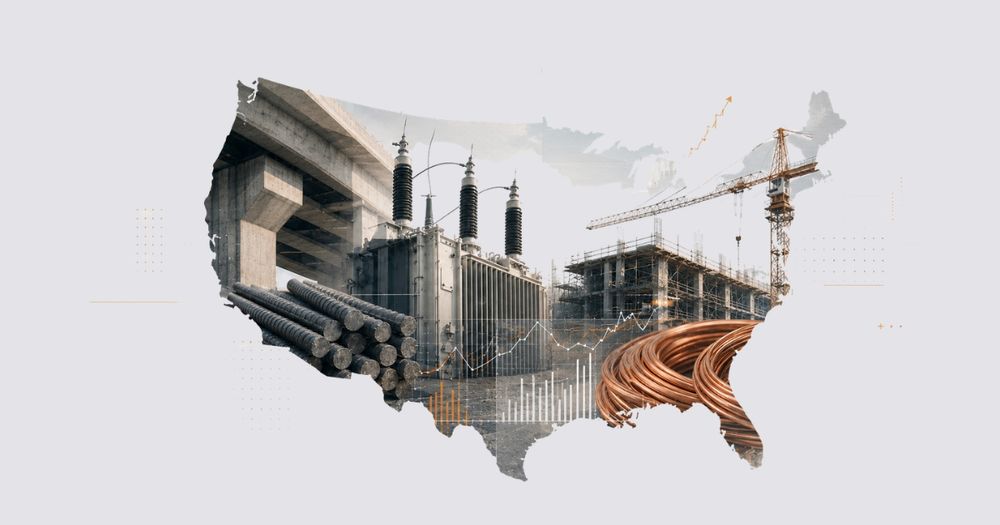
- High-power transformers
- Switchgear
- Grid infrastructure
- Power management and cooling systems
These are exactly the areas where AINF has its largest exposures. To put the shortage in context:
- Transformer lead times have blown out from around two years pre-2020 to as long as five years today.
- The US has sharply increased imports of Chinese electrical equipment, yet prices are still rising - a clear sign that supply is not keeping up with demand.
- Some major equipment manufacturers now have order backlogs worth more than a full year (or several years) of revenue already booked.
For investors, that matters because long order books often translate into:
- Better earnings visibility
- Less reliance on short-term economic cycles
- More stable cash flows over time
Three common questions
1. Don’t delays hurt performance?
Not necessarily. For companies supplying scarce equipment, delays often increase pricing power. When customers are competing for limited supply, margins tend to improve rather than weaken.
2. Isn’t this just narrowing the AI opportunity to a few big tech stocks?
No. In fact, it’s the opposite. If computing chips were the only constraint, AI investing would stay narrow. But because electricity and physical infrastructure are the limiting factors, the opportunity spreads across many industrial and infrastructure companies - which increases diversification.
3. What about reliance on Chinese equipment?
This often gets misunderstood. Rising imports alongside rising prices tell us that global demand is larger than China alone can supply. That gap is driving long-term investment in Western manufacturing capacity, which benefits the types of companies AINF holds.
What this means for a long-term portfolio
From a portfolio perspective, this situation reinforces several things ETF investors care about:
- Diversification: Exposure goes beyond tech stocks into power, infrastructure, and industrial businesses.
- Visibility: Long order books support steadier earnings profiles.
- Time horizon alignment: Multiyear infrastructure buildouts suit buy-and-hold investors better than fast-moving themes.
- Real-world demand: Electricity, grids, and transformers are not optional. They are essential.
This doesn’t remove volatility, and it doesn’t guarantee returns. But it does suggest the AI infrastructure story is evolving, not breaking.
The current bottlenecks don’t undermine the AI infrastructure theme. They highlight where value is being captured today. For long-term ETF investors, that distinction can make the difference between reacting to noise and staying focused on how structural trends actually play out over time.