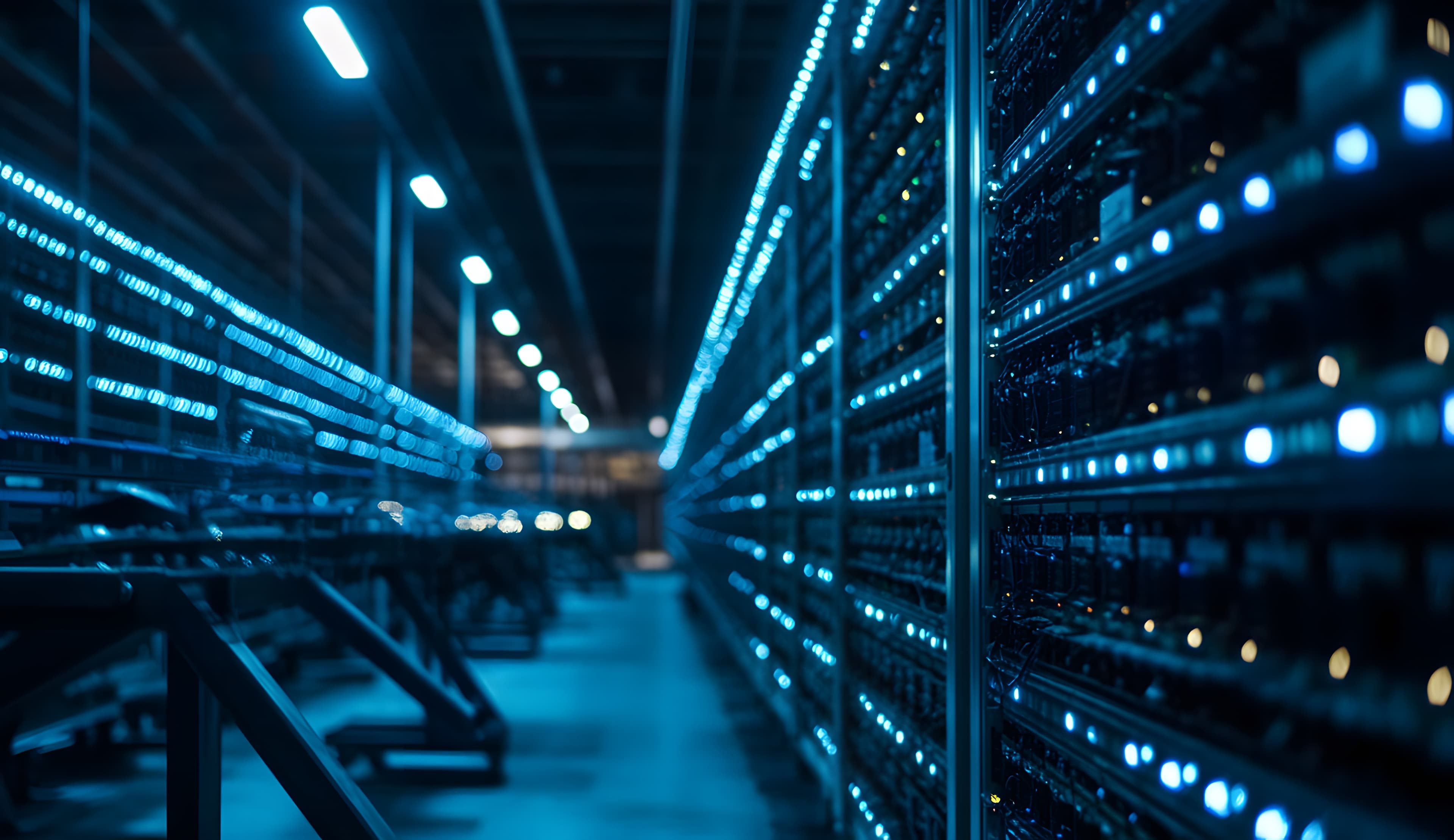
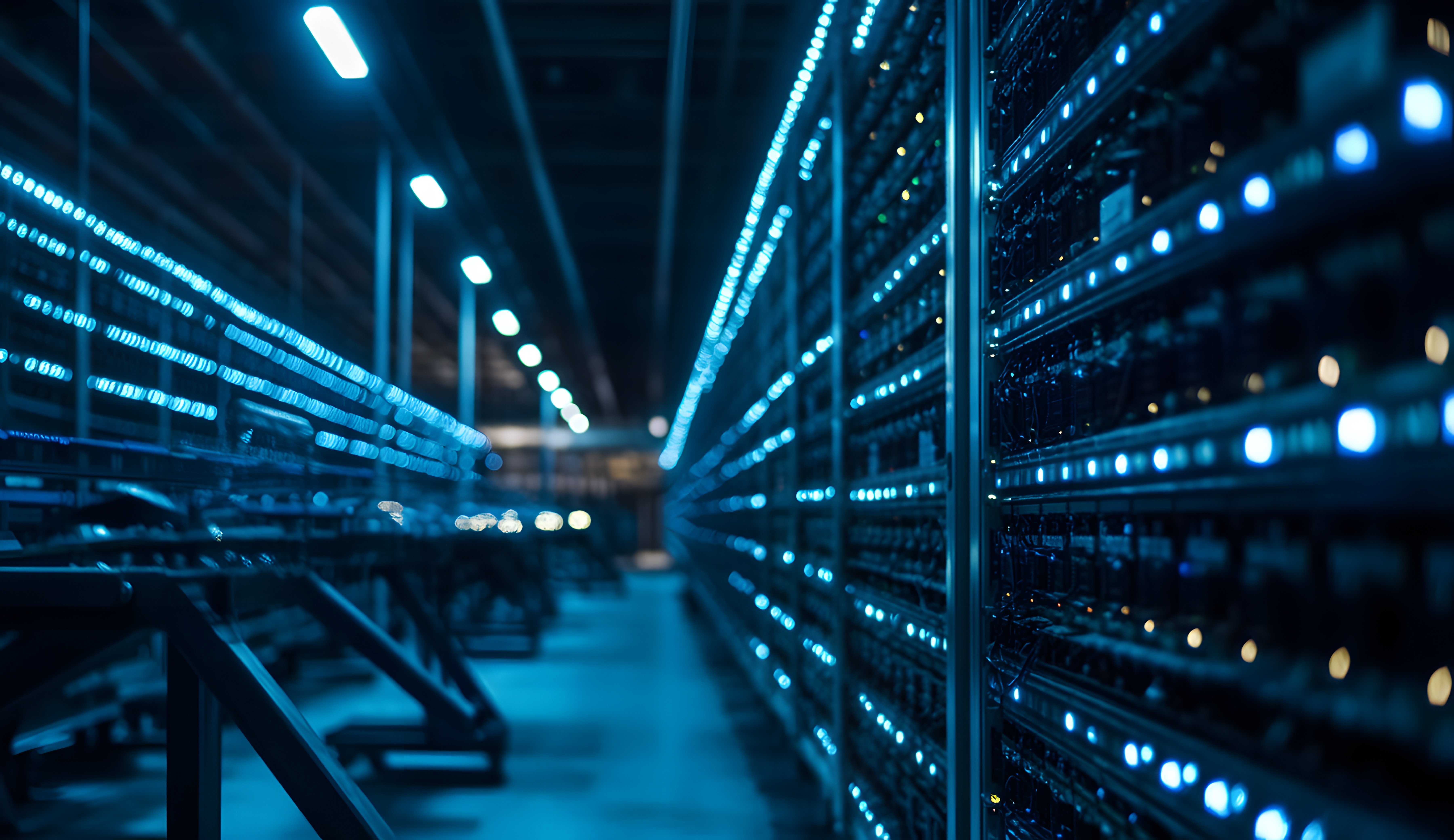
Artificial intelligence (AI) is driving a massive global buildout of data centres. Every time an AI model answers a question, generates an image or processes information, it relies on powerful servers housed inside these facilities.
But there’s a problem. AI data centres consume huge amounts of electricity, and in many cases, the power grid isn’t keeping up. That’s where batteries are becoming increasingly important.
Battery technology is no longer just a backup system sitting quietly in the background. It is rapidly becoming a core piece of AI infrastructure, helping data centres manage surging energy demand, avoid grid bottlenecks and keep operations running around the clock.
For investors, this growing demand could create a significant long-term opportunity for companies involved in lithium, battery production and energy storage technology. All areas targeted by the Global X Battery Tech & Lithium ETF (ACDC).
Why AI data centres need batteries
Traditionally, batteries in data centres (known as Energy Storage Systems, or ESS) were mainly used as emergency backup power. If the electricity grid failed, these battery systems would keep servers running for a short period until diesel generators switched on.
For a time, these systems only needed to operate for a few minutes. Today, the role of batteries has expanded dramatically.
Modern AI data centres experience huge spikes in electricity demand, particularly when large AI models are being trained or used by millions of people simultaneously.
Batteries are now being used to help smooth out these power surges and provide extra energy when needed.
At the same time, many new data centres are being built faster than electricity grids can expand.
In the US, some data centre projects reportedly face grid connection wait times of four to seven years.. Rather than waiting for traditional infrastructure upgrades, many operators are turning to on-site power generation combined with large-scale battery storage systems.
These battery systems can store electricity generated from sources such as solar energy or natural gas and release it when demand rises. This allows data centres to operate more flexibly and reduces reliance on an already stretched power grid.
Energy storage is becoming a major growth industry
Research from BloombergNEF estimates that data centre operators could install between 2 and 3 gigawatt-hours (GWh) of battery storage capacity every year through to 2028. For context, global data centre battery storage capacity today is only around 2.7GWh.
Even more importantly, there are already more than 40GWh of additional projects that have been confirmed but not yet scheduled for installation.
This highlights how quickly demand for battery technology could accelerate as AI adoption continues to grow.
Importantly, this demand extends well beyond the data centres themselves. Building large-scale battery systems requires lithium, battery cells, battery materials and specialised energy storage technology, creating opportunities across the broader battery supply chain.
Governments are also pushing energy storage growth
The investment case for batteries is not just about AI.
Around the world, governments are increasingly focused on energy security and reducing dependence on imported energy. Geopolitical tensions and global conflicts have highlighted the risks of relying too heavily on overseas energy supplies.
As a result, many countries are investing heavily in renewable energy and battery storage systems to strengthen domestic energy infrastructure.
Renewable energy sources like solar and wind are intermittent, meaning they don’t produce electricity constantly. Batteries help solve this problem by storing excess energy and releasing it when needed.
This creates another powerful demand driver for battery technology alongside the rapid growth of AI infrastructure.
How investors can gain exposure
For investors looking to access this trend, the Global X Battery Tech & Lithium ETF (ACDC) provides exposure to companies involved in battery technology and the lithium supply chain.
The ETF invests across areas such as:
- Lithium mining and refining
- Battery manufacturing
- Energy storage technology
- Electric vehicle battery production
As demand for energy storage systems grows, both from AI data centres and the global energy transition, companies operating across these industries could benefit from rising investment and deployment.
The opportunity
AI is creating a new wave of electricity demand, and batteries are becoming essential infrastructure for powering the next generation of data centres.
At the same time, governments around the world are accelerating investment in energy storage as part of broader energy security and renewable energy goals.
For investors, this means battery technology is increasingly sitting at the intersection of two major long-term trends: the rise of AI and the global transition toward cleaner, more resilient energy systems.
The Global X Battery Tech & Lithium ETF (ACDC) offers investors a way to gain diversified exposure to companies positioned to benefit from both.