Investors with high conviction in the HALO trade all have one question in mind: how do you build a portfolio around it?
At its core, a HALO (Heavy Assets, Low Obsolescence) portfolio focuses on companies and sectors where value is tied to physical infrastructure, industrial capacity and long-lived assets. These are businesses that may not scale overnight, but once established, are difficult to replicate and often sit at the centre of economic activity.
Rather than relying on individual stock picking, retail investors can access these themes through ETFs that provide diversified exposure across global markets. For those with high conviction in the HALO trade, ETFs may be an ideal option.
The 3 building blocks of a HALO portfolio
A HALO portfolio can be thought of as having three core pillars:
1. Infrastructure and industrial systems
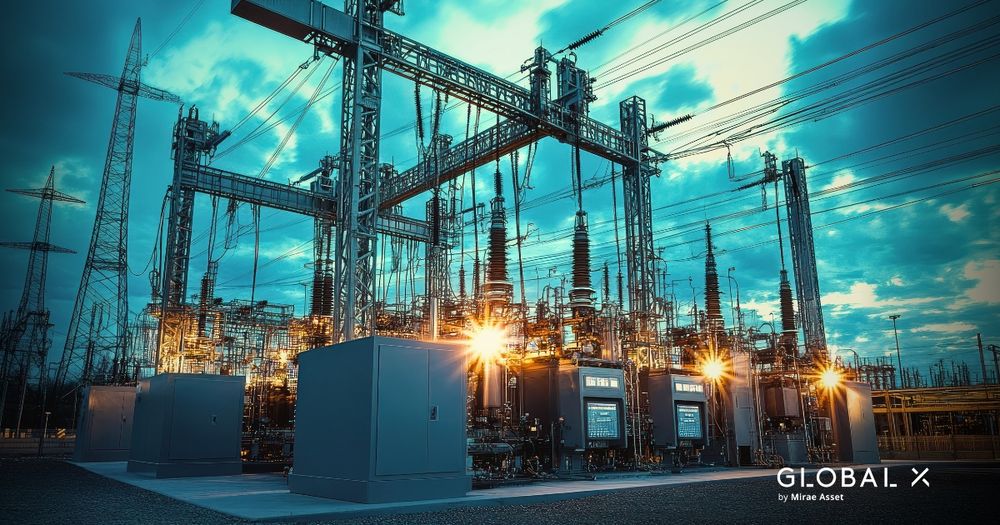
These are the foundations of the global economy, assets that move energy, goods and data.
- Global X US Infrastructure Development ETF (PAVE): Exposure to companies building roads, bridges, engineering systems and construction materials. These are long-duration projects with high barriers to entry.
- Global X Artificial Intelligence Infrastructure ETF (AINF): Focuses on the physical backbone of modern computing, including data centres, power systems and network infrastructure.
These allocations anchor a HALO portfolio in essential systems that economies rely on every day.
2. Energy systems and transition
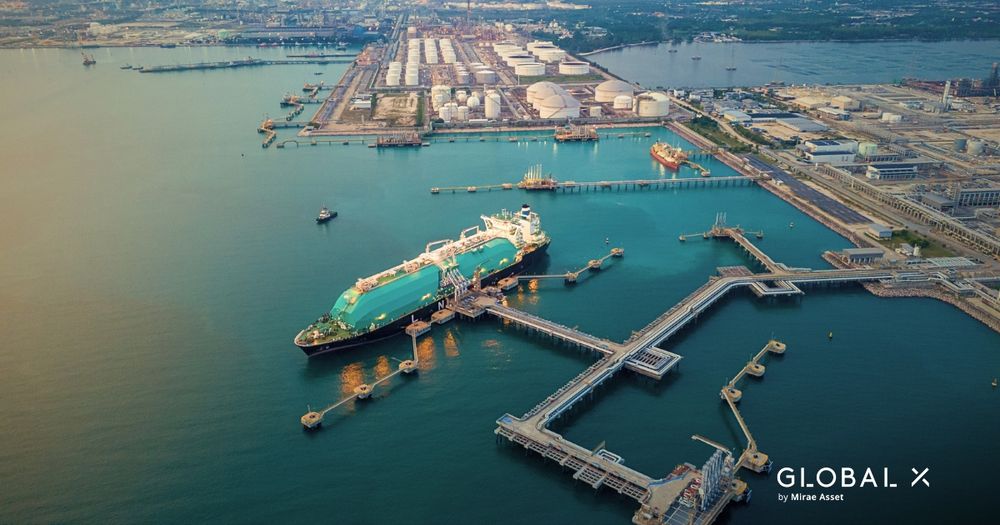
Energy infrastructure is one of the clearest examples of heavy assets with long lifecycles.
- Global X Uranium ETF (ATOM): Provides exposure to nuclear energy, a sector defined by large upfront investment and decades-long asset lives.
- Global X Hydrogen ETF (HGEN): Targets emerging hydrogen infrastructure, which requires significant capital and engineering to scale.
- Global X Bloomberg Commodity Complex ETF (BCOM): Broad exposure to a diversified basket of commodities including energy, industrial metals and agriculture.
This part of the portfolio reflects the growing global investment in energy security and transition.
3. Critical materials and industrial inputs
No infrastructure can be built without raw materials. This pillar focuses on the upstream inputs that enable HALO systems.
- Global X Copper Miners ETF (WIRE): Copper is essential for electrification, power grids and transport systems.
- Global X Rare Earth and Critical Metals ETF (GMTL): Broad exposure to metals like lithium and nickel used in energy and industrial capacity.
- Global X Silver Miners ETF (SLVM): Silver plays a key role in industrial applications and energy technologies.
These exposures capture the materials layer that underpins physical infrastructure globally.
Putting it together
A HALO portfolio is less about chasing rapid growth and more about owning the backbone of the global economy. Investors can think about building exposure across three layers:
- Infrastructure and industrials: the core foundation, anchoring the portfolio in essential long-duration systems
- Energy systems: reflecting structural demand from electrification and energy security
- Critical materials: upstream exposure to the global infrastructure buildout
The right balance across these pillars will depend on individual circumstances, risk appetite and existing portfolio holdings. A financial adviser can help determine what allocation makes sense for you.
The result is a portfolio aligned with themes such as electrification, reindustrialisation and supply chain resilience, built around assets designed to last decades, not quarters.
Why consider a HALO portfolio?
As markets adjust to higher interest rates and shifting geopolitical priorities, investors are increasingly recognising the importance of tangible, capital-intensive assets.
A HALO portfolio offers exposure to:
- Industries with high barriers to entry
- Assets designed to operate for decades
- Structural trends tied to global infrastructure investment
For retail investors, using ETFs simplifies access to these opportunities while maintaining diversification across regions and sectors.
A HALO portfolio doesn’t look like the typical growth portfolio of the past decade. Instead, it focuses on scale, scarcity and durability - investing in the physical systems that keep economies running.
As demand for infrastructure, energy and industrial capacity continues to grow, these heavy-asset sectors may play an increasingly important role in long-term portfolio construction.
Risks to consider
While a HALO portfolio focuses on durable, long-lived assets, it is not without risks. Investors should carefully consider the following:
Concentration risk
HALO portfolios are inherently tilted toward a narrower set of sectors, particularly infrastructure, energy and materials. This concentration means performance may diverge significantly from broader equity markets, especially during periods when these sectors underperform.
Sector-specific risks
Some exposures within a HALO portfolio carry unique risks:
- Uranium: Highly sensitive to regulatory changes, geopolitical developments and public sentiment around nuclear energy. Project delays and policy shifts can materially impact supply and demand dynamics.
- Hydrogen: An emerging industry that remains early in its commercialisation. Adoption depends on technological advancements, government subsidies and infrastructure buildout, all of which are uncertain and may take longer than expected.
Commodity and cyclicality risk
Many HALO exposures are linked to commodity markets, which can be volatile and influenced by global growth, supply disruptions and macroeconomic conditions. This can lead to periods of sharp price swings and earnings variability.
Currency risk
Global ETFs provide exposure to international assets, which introduces currency risk. Movements in exchange rates can impact returns, sometimes offsetting underlying asset performance.
Speculative and thematic risk
Some HALO themes, particularly those tied to future technologies or structural shifts, can be speculative in nature. Investor enthusiasm may drive valuations ahead of fundamentals, leading to higher volatility and the potential for drawdowns if expectations are not met.
Policy and regulatory risk
Infrastructure and energy investments are often closely linked to government policy and funding. Changes in regulation, environmental policy or political priorities can influence project viability and sector performance.