Artificial intelligence is rapidly becoming one of the biggest investment themes of our time. While many Australians are feeling the pressure of higher living costs and slower economic growth, investors around the world are benefiting from a wave of growth driven by AI.
The challenge for Australian investors is that much of this growth is happening overseas.
This year, share markets in the United States, Japan, South Korea and Taiwan have delivered strong gains as investors pour money into companies building the technology that powers AI. Computer chip manufacturers, data centre operators and technology firms have become some of the world's most valuable businesses as demand for AI continues to surge.
Australia's share market looks very different.
The ASX is dominated by banks, miners and mature dividend-paying companies. These businesses remain important and can play a valuable role in a portfolio, but they generally have less direct exposure to the AI boom than many of their overseas counterparts.
As a result, investors who focus exclusively on Australian shares may be missing out on one of the most significant growth opportunities in global markets.
Consider the companies at the centre of the AI revolution. Firms such as Nvidia, Taiwan Semiconductor Manufacturing Company (TSMC), Samsung and SK Hynix are helping build the infrastructure that makes AI possible. From advanced computer chips to the memory and processing power required to train AI models, these businesses have become essential to the future of technology.
Australia simply does not have many listed companies operating in these areas.
For decades, Australian investors have favoured local shares. This home bias made sense when banks, resources and dividend-paying companies were leading market returns. However, the investment landscape is changing.
Today, some of the strongest earnings growth is coming from companies involved in artificial intelligence, semiconductors and digital infrastructure. Many of these businesses are listed overseas, meaning investors may need to look beyond Australia's borders to access them.
The growing popularity of global and thematic ETFs suggests many Australians are already doing exactly that. Investors are increasingly seeking simple ways to gain exposure to long-term trends such as AI, cloud computing and advanced technology.
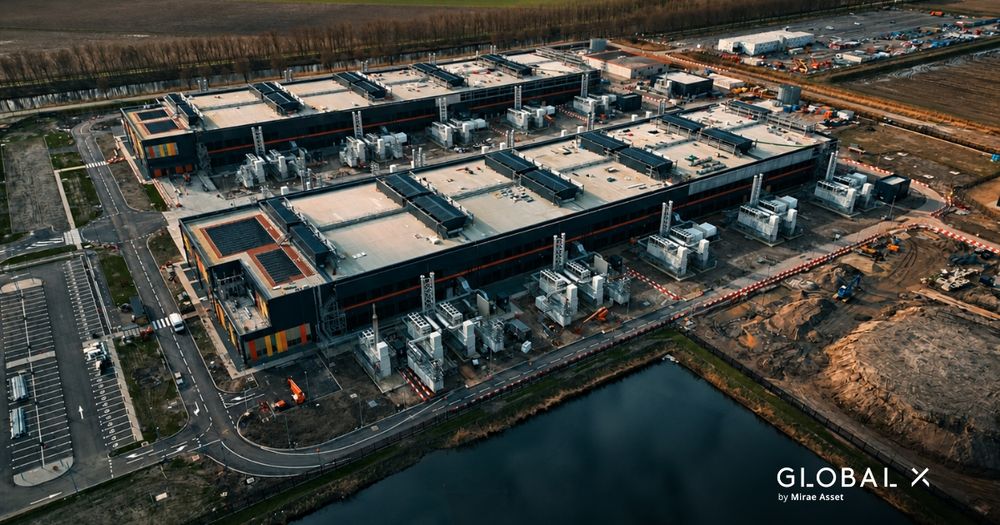
Importantly, the AI story may still be in its early stages. Companies around the world continue to invest billions of dollars into data centres, computer chips and digital infrastructure. Many analysts believe this investment cycle could continue for years as AI becomes more deeply embedded across industries.
None of this means Australian shares should be ignored. Local companies can still provide income, diversification and exposure to sectors that are underrepresented overseas.
However, investors should consider whether their portfolios are positioned for the future economy as well as today's.
The real question is not whether artificial intelligence will reshape the world. That is already happening. The more important question for investors is whether they have enough exposure to the companies and industries driving that change.
For many Australians, the answer may involve looking further afield than the ASX.