For many Australian investors, generating income has traditionally meant following one of two familiar paths: building a portfolio of investment properties or buying Aussie shares that pay the best dividends.
But what happens when rental yields are squeezed, dividends become less dependable and bonds begin offering meaningful income again? Add in some major tax reforms and suddenly the old income engine isn’t firing like it used to.
If you haven’t realised yet, the income landscape has changed. Investors who continue to rely on the old playbook may be overlooking a much broader range of opportunities.
Myth 1: Property is the obvious choice for income
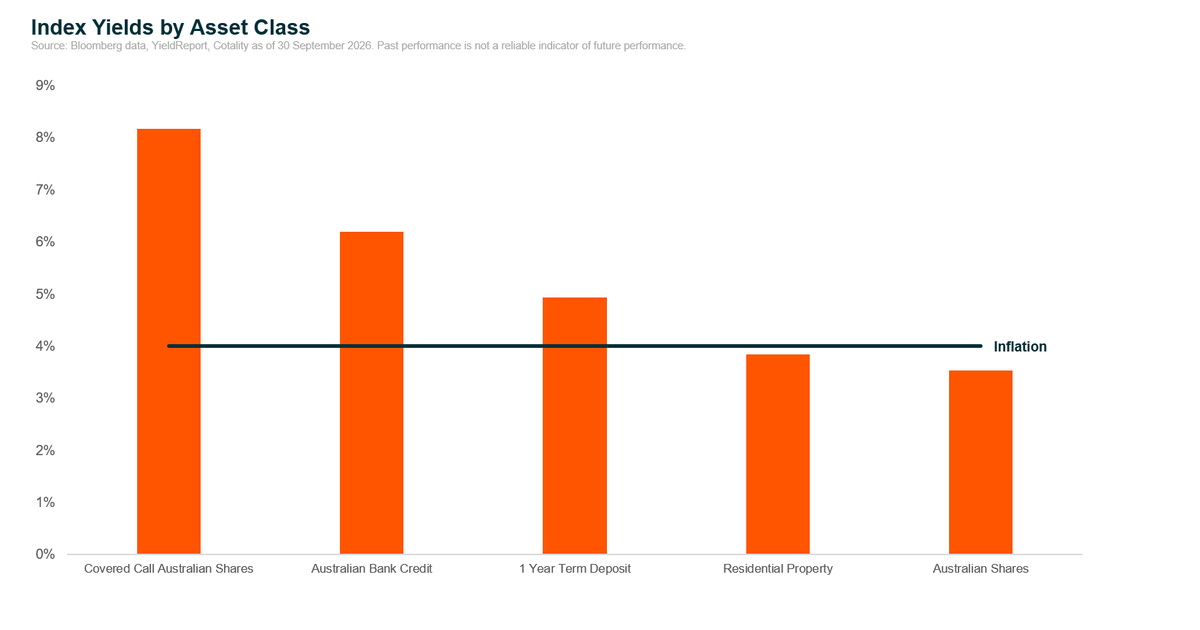
Property is Australia’s source of investment income, and for good reason - for a long time it has worked. However, Australian residential property remains heavily reliant on capital growth, while national gross rental yields are sitting in the mid-to-high 3% range.
That headline figure doesn’t account for expenses such as interest, maintenance, insurance, rates and property management. With borrowing costs rising alongside rents, the gap between rental income and financing costs can be significant for an investor carrying debt.
Property can still have a role in a portfolio. But for investors seeking liquid, diversified and regular income, it may not be the straightforward solution we have been taught to expect.
Myth 2: Australian dividends will always deliver
Australian investors have historically benefited from the country’s mature corporate sector, high payout ratios and the dividend imputation system. This has helped make local shares a natural destination for income seekers.
Recent experience, however, has exposed the risk of taking that income for granted.
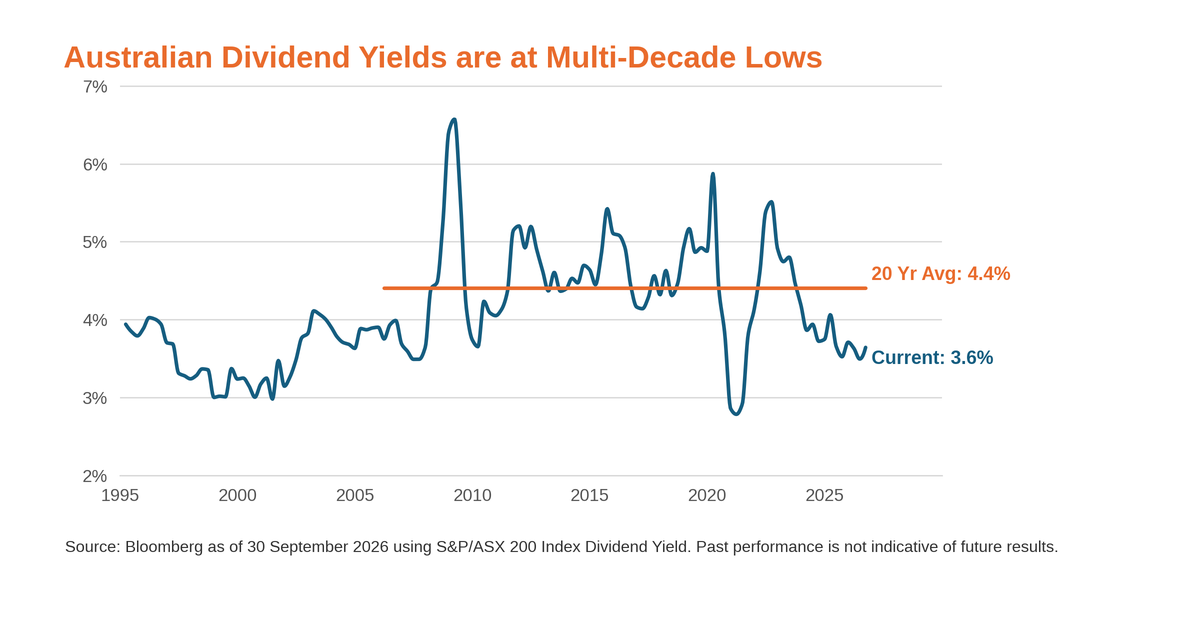
Australia has been through what some describe as a “dividend recession”, with the market’s dividend yield falling to some of its lowest levels in decades outside the COVID-19 pandemic. While the August 2026 reporting season brought signs of renewed dividend growth, the broader lesson remains: relying heavily on one source of income can leave a portfolio exposed when that source weakens.
Bonds are back
For years, falling interest rates made it increasingly difficult for fixed-income investors to generate meaningful income. The inflation shock of 2021 and 2022 changed that picture as central banks raised rates rapidly.
Bond yields have since climbed in Australia and overseas. An asset class once valued mainly for diversification is again offering a meaningful source of portfolio income. Put simply, the ‘income’ has returned to fixed income.
To be clear, bonds haven’t replaced shares or property, but the opportunity set has expanded, and they are worth a closer look.
From one income stream to many
The bigger shift is not between different asset classes but moving away from the idea that a portfolio needs a single income engine.
Dividends, fixed income and covered call ETFs can produce income in different ways and carry different risks. Combining multiple sources may create a more diversified stream that is better able to adapt as inflation, interest rates and market conditions change.
ETFs have made a wider range of income-producing assets accessible through a single trade. Investors can now explore opportunities across Australian and global markets without being confined to direct property or a small number of familiar dividend-paying companies.
With the official cash rate at a 15-year high, income investing is firmly back in focus. It’s worth exploring how a different approach may suit you. The opportunity for today’s investor is to understand where income comes from, what risks sit behind it and how different sources may work together.
There is no longer one path through the income jungle. For investors willing to challenge old assumptions, there are more paths to explore than ever before.