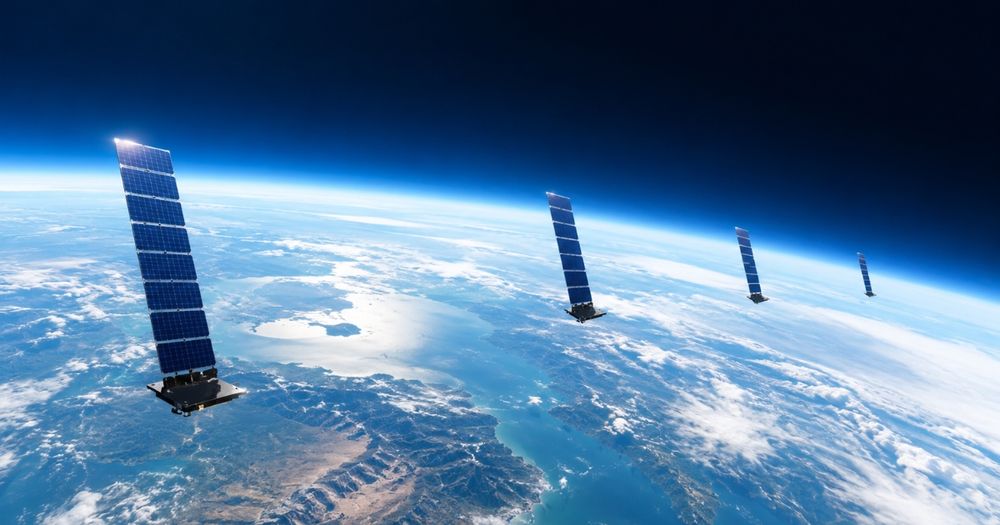
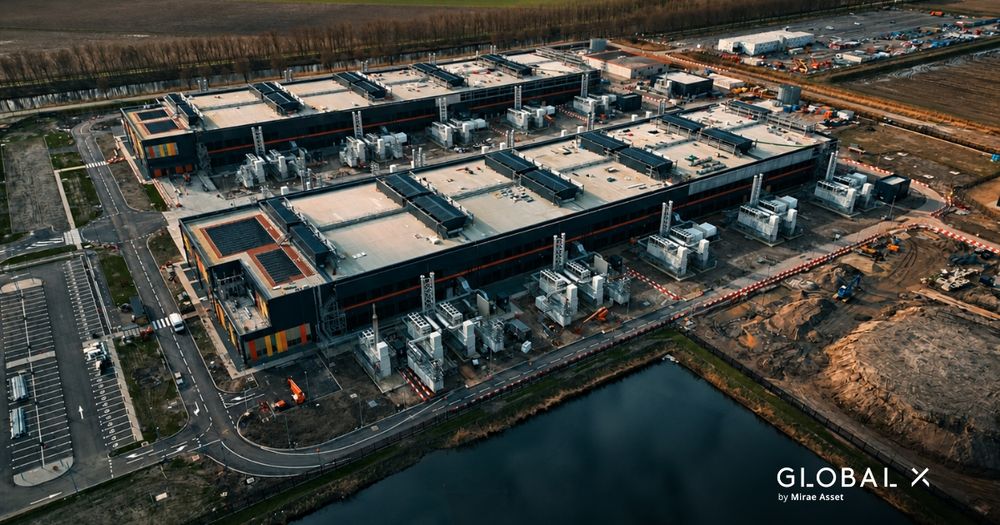
Australia's largest institutional investor just told the market how it thinks about AI, and the answer was not a single stock or a single theme. The Future Fund's latest position paper breaks the AI opportunity into four layers, hardware, infrastructure, platforms and applications, and deliberately spreads its exposure across all four rather than concentrating in a handful of listed technology names. For a AU$337 billion sovereign fund, that diversification runs across venture capital, private equity and listed equity simultaneously.
What the Future Fund is really describing is where AI value accrues across the stack: hardware is where compute gets built, infrastructure is what powers and houses it, and platforms and applications are where that value ultimately gets captured and monetised. Each layer carries a different risk profile and timeline, so a portfolio concentrated in one is not resilient to how quickly capital rotates between them. The scale explains why that rotation matters: AI's annual global capex sits at around 0.7% of global GDP against a total addressable market closer to 7.0%, a wider gap than mobile networks, the internet or railways ever produced at equivalent stages. The rest of this note works through each layer today, and how three Global X ETFs can provide investors with the same exposure the Future Fund is building at sovereign scale.
Key Takeaways
- The Future Fund's AI framework identifies four distinct value layers, hardware, infrastructure, platforms and applications, and explicitly avoids concentrating exposure in a small number of listed technology names.
- The hardware layer is entering a period of structural repricing, with memory contracts shifting decisively in suppliers' favour and AI design tools opening a new, largely unpriced monetisation stream for the semiconductor ecosystem.
- The infrastructure layer faces a genuine power bottleneck through 2028 that political pushback widens rather than narrows, while demand for compute itself remains effectively unconstrained.
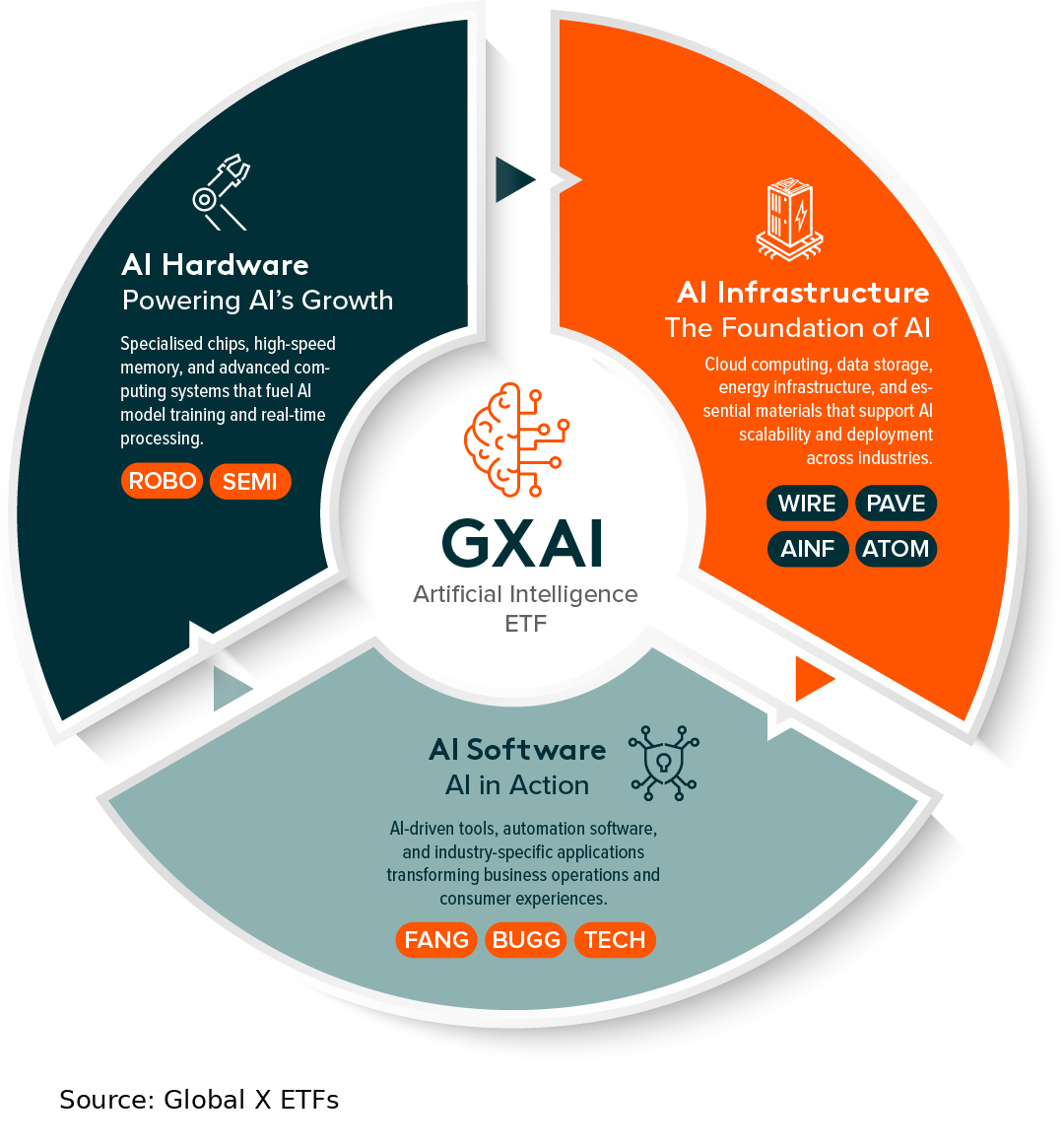
Global X's own AI suite is organised in a similar way, across hardware, infrastructure and software layers, with each layer built from ETFs that already exist on ASX.
Hardware: The Repricing Has Only Just Started
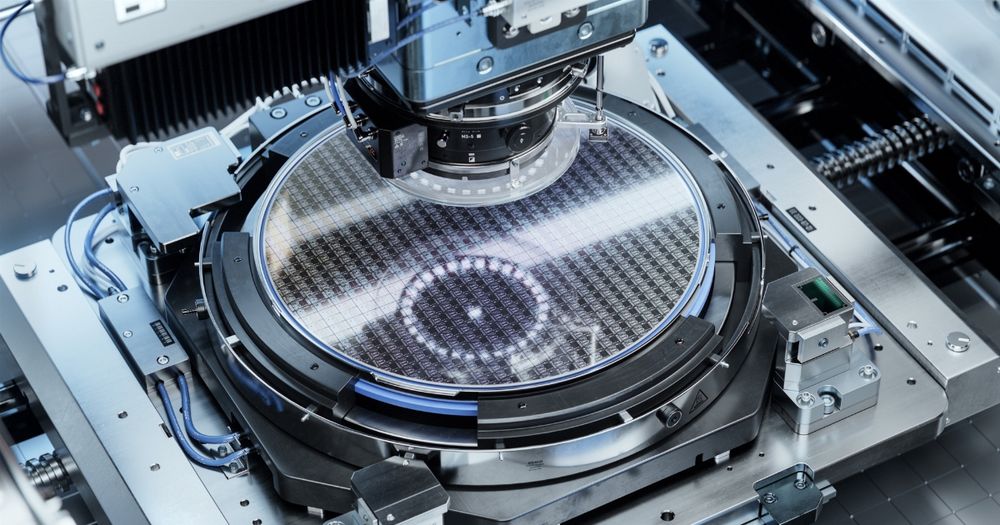
Memory is the clearest evidence the hardware layer is repricing in suppliers' favour. Consistent with the Future Fund's framework, this suggests that significant AI value may go to the suppliers providing the chips, memory and tools that underpin the entire ecosystem. High Bandwidth Memory (HBM) pricing is set to rise close to 90 to 100% year on year into 2027, and the shift is not just tighter supply, it is how that supply is now contracted. Long term agreements are moving to five year durations, 60 to 70% coverage of planned capacity, and floor pricing backed by real prepayments and deposits, a far more binding structure than the spot exposure that defined previous memory cycles1. That earnings visibility is already showing up in the numbers, even as the two largest suppliers have seen their share prices correct more than 20% over the past month2 on inventory and shareholder-return sentiment rather than any change to the underlying contracts.
A second repricing is happening inside chip design itself. The industry is short an estimated 70,000 chip designers globally by 2030, a gap widened by hyperscalers and AI labs building their own custom silicon3. Design software makers are the natural beneficiaries, since AI copilot tools and autonomous design agents are the only near term supply response available, and consensus estimates currently assume none of this monetises. That gap between what the market prices and what the labour shortage implies is the hardware layer's real story, it spans the entire toolchain that makes chip production possible at the pace AI demand requires, not just the chip names that dominate headlines.
Infrastructure: A Supply Problem, Not a Demand Problem
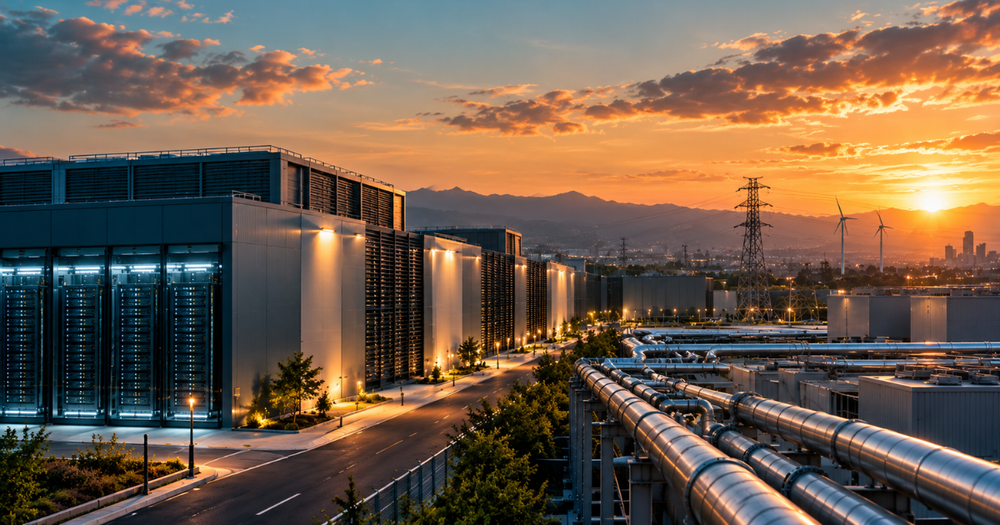
The infrastructure layer is where AI has become genuinely political. Local opposition to data centre construction has accelerated sharply, with an estimated $156 billion of projects cancelled or delayed in 2025 and a further $130 billion in the first quarter of 20264, and moratorium proposals now active across a majority of US states. The instinct is to read this as bearish, but political friction is a supply side risk, not a demand side one. Hyperscaler AI capex is still running at $877 billion for 2026, forecast to exceed $1.3 trillion in 20275, with no sign compute demand is moderating in response to permitting delays.
What pushback actually does is widen an existing power shortfall, currently estimated at 38 gigawatts through 2028, since permitting friction, interconnection queues and local moratoria slow the physical buildout without touching demand. That gap between unconstrained demand and constrained physical capacity is the infrastructure layer's investment case in one sentence. Financing markets agree. AI and data centre debt issuance is forecast at roughly $580 billion in 2026, up from $217 billion the year before, treating this as a multi year commitment rather than a cycle political friction can derail. The GDP impact of delays so far is estimated at only 1 to 3 basis points6, a reminder the headlines are louder than the actual drag.
More broadly, it reinforces a key pillar of the Future Fund's framework - while AI breakthroughs may capture the headlines, their success ultimately depends on the power generation, transmission and data centre infrastructure working behind the scenes.
Software: Where the Value Ultimately Lands
Software is where AI's economic value is ultimately meant to be captured, and it is the least mature layer. Hardware and infrastructure are measurable today in gigawatts, contracted volumes and capex, software is still being defined by which business models convert AI capability into recurring revenue, from platforms through to the applications built on top of them. That immaturity is the case for broad exposure, not a reason to avoid the layer, since it is genuinely difficult to call which platforms or applications capture the value first. A broad based AI ecosystem allocation earns its place here, capturing the option value in a layer that is still being priced.
The Future Fund also highlights that software companies are among the fastest adopters of AI, using it to enhance user experiences, automate tasks and improve productivity, with Jevons Paradox suggesting that these improvements could further accelerate adoption and expand the overall market opportunity.
Building the Layers Without Sovereign Fund Scale
The Future Fund's point was never really about AI specifically, it was about resilience, exposure that behaves differently across a range of scenarios rather than betting on one outcome. Even for a sophisticated investor like the Future Fund, the lesson is one of diversification. Rather than attempting to identify a single AI winner, it seeks exposure across the hardware, infrastructure, platform and application layers where value may ultimately be captured.
That is achievable without access to venture capital or private equity. While most investors cannot access the private market investments available to a sovereign wealth fund, they can still gain exposure to many of the same structural AI drivers through listed markets via ETFs.
The Global X Semiconductor ETF (SEMI) covers the hardware layer, including the memory and design ecosystem above. The Global X Artificial Intelligence Infrastructure ETF (AINF) targets infrastructure directly, the power, data centre and physical buildout that political friction is delaying, not derailing. The Global X Artificial Intelligence ETF (GXAI) ties all three layers together in a single trade, giving broad exposure across hardware, infrastructure and software without requiring a view on which layer wins first. Together, the three provide exposure across multiple layers of the AI value chain, broadly reflecting the layered framework outlined in the Future Fund’s position paper.
Considerations for investing in GXAI, AINF, SEMI
As with all investments, an investment in GXAI, AINF and SEMI has risks - see the PDS for more information. This fund may expose investors to currency risk, sector risk, concentration risk, and/or market risk. Different investment strategies carry different risks, depending on the assets that make up the strategy. The value of your investment may fall, you may receive back less than your original investment.